About Flora Danica
Last update: 03-01-2008 02:04 PM- one of the world's great works of botany, a true child of the Enlightenment, 123 years underway
Before 1752 botany was considered an ancillary subject to medicine and students of botany
attended lectures at the University given by a professor of medicine.

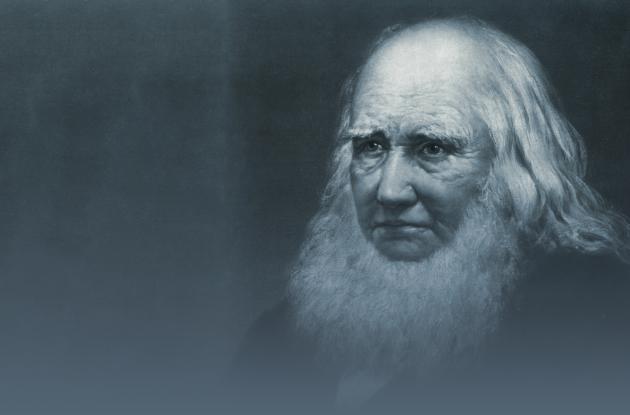
In 1752 G.C. Oeder was appointed professor of botany by royal decree. Originally Oeder was to

have held a professorship in botany at the University, but opposition from academic quarters put an
end to that. Instead the self-governing Royal Botanical Institution was established.
In 1753 Oeder proposed the publication of a
Flora Danica with folio-sized pictures of all wild plants
in Denmark. The aim was to popularize botany and in that way enhance the knowledge of the useful
and harmful characters of the various plants.
The first part of the book was published in 1761 (ahead of schedule) and the last 123 years
later in 1883.
Oeder was fired as editor in 1772 after the downfall of Struensee (Chr. VII's physician who
was charged with plotting a palace coup), and replaced by the zoologist O.F. Müller. Eleven
different botanists after Müller were in charge of publishing
Flora Danica.
The plates appeared in a hand-painted edition and a "cheap" plain one. The bulk of the work -
what one usually associates with Flora Danica- consists of 51 parts + 3 supplements, containing
3240 copper engraved plates.
To ensure that the work became known in all corners of the country free copies of the plain
edition were given to the bishops, who distributed them to clergymen, grammar schools and
educated persons. The recipients were in return to "provide the Royal Botanical Institution or the
Botanical Gardens with information on plants in their part of the country."
The project was supported financially by the Crown, which meant that a copy with 60 coloured
plates could be put on the market for as little as 6 rix-dollars (subscription rate), and the plain
edition for 4.
Flora Danica has no system of classification, which makes
it somewhat difficult to work with at times, but in 1887 the botanist Johan Lange published a
"Nomenclator Flora Danica...." that contains alphabetical, systematic and chronological lists of
the plants in
Flora Danica.
Actually Oeder was not the first to use the title
Flora Danica. Another book by that name had been published
in 1648 at the request of Chr. IV by Simon Paulli, doctor and botanist. That
Flora Danica was a herbal describing plants of medical
interest.