Changes in the plan
Last update: 03-01-2008 11:39 AMWhen it takes nearly 125 years to complete a work, there will be changes underway. Not only did

the texts remain
uncompleted, but the plans for the plates were also
altered substantially over the years. These changes were largely due to the political situation.
Reductions
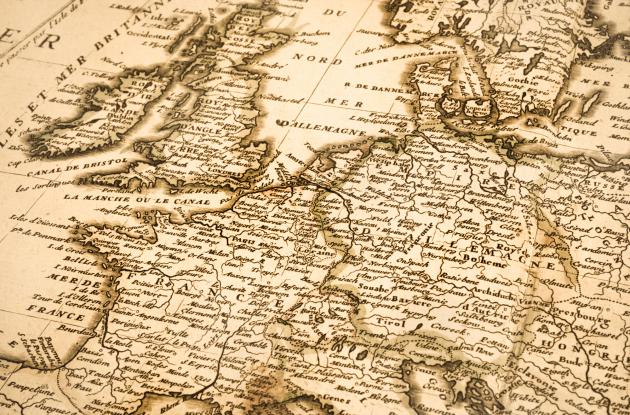
After 1814, when the Danish-Norwegian monarchy was dissolved and Norway entered into union
with Sweden, almost no Norwegian plants were included in
Flora Danica. After 1864, when the Duchies of Schleswig
and Holstein were lost from the Danish monarchy, the German section also disappeared.
Expansion
At the Nordic natural science meeting in Roskilde in 1847, a proposal was made that
Flora Danica be made into a Scandinavian work. Treatment
of the Norwegian plants should be completed and the most important of the plants only found in
Sweden added. The proposal was carried and it was decided that a supplement volume (3 parts, 180
plates) should be published with the Norwegian and Swedish plants. Thus
Flora Danica became a far more well-rounded work than
if it had 'only' included Denmark and its North Atlantic possessions: the Faroe Islands,
Iceland and Greenland. The flora of these areas is naturally radically different from the flora of
Southern Denmark, and the Northern Scandinavian flora provides a transition between these
areas.
![]() |
Plate 30
Oeders lousewort Pedicularis oederi Vahl in Hornem Oeders lousewort is one of the many Norwegian alpine plants from part 1. This plant was as yet undescribed, and Oeder mistook it for another, Pedicularis flammea. In honour of Oeder, Martin Vahl later named it Pedicularis oederi - Oeders lousewort, the name it still bears. |