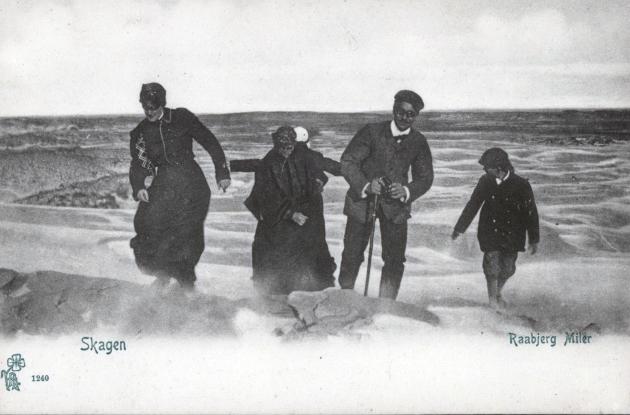
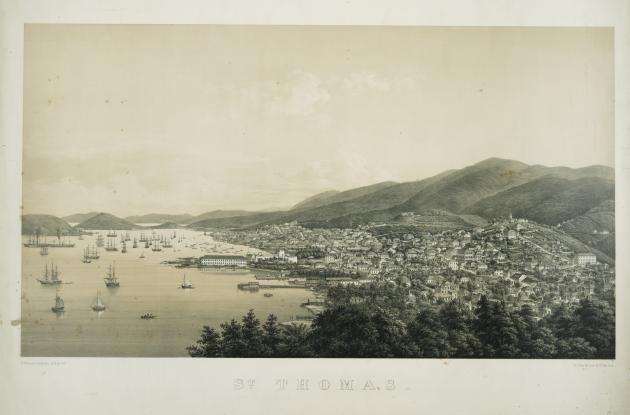
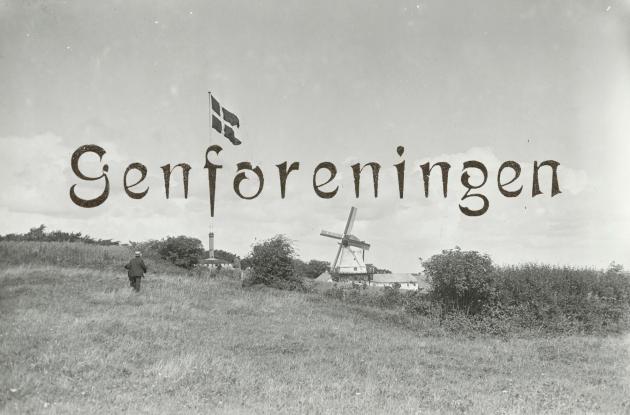
With the digitised collection of topographical postcards, you can explore a special part of Danish cultural history. Postcards are not just postcards – they are a journey through Denmark's history.
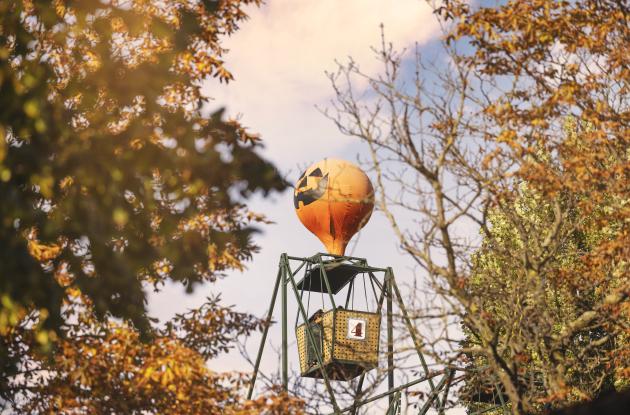
There are ghosts, witches, zombies and supervillains in the street. It's Halloween, where (un)cosiness, light and darkness meet. We shed light on the tradition's path to Denmark.
For almost 100 years, gymnastics broadcasts on radio and TV have kept Danes moving. In DR-arkivet you can now find thousands of these broadcasts. Here we delve into the history of interval gymnastics.
In 1894, a boy left his childhood home in Vejle. With a violin under his arm and a dream of something bigger, he headed for Copenhagen. Years later, he composed one of the world's first radio hits.
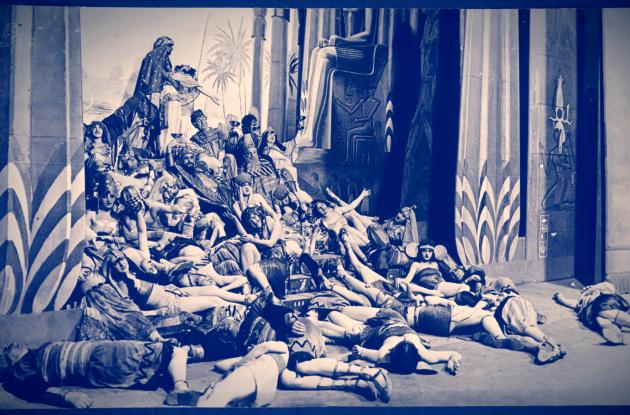
Through Holger Damgaard's ten thousand unique images from Danish theatre stages, we delve into the history of theatre in Denmark in the period from 1909 to 1940.
On the 31st of December at 6:00 PM, the Danes gather in front of televisions all over the nation. The monarch's New Year's speech is broadcast - it has not always been this way, of course.
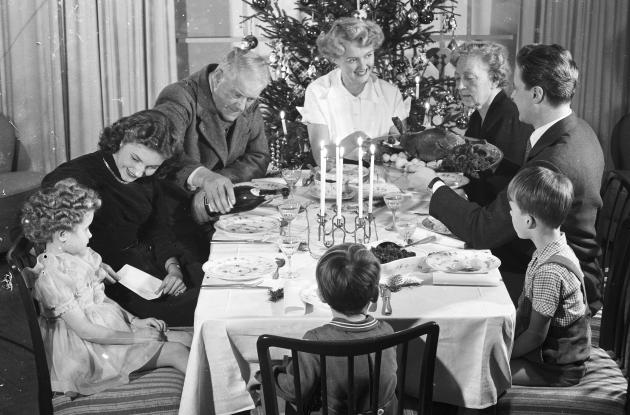
Christmas is upon us. It is a time rich in traditions, good food and cosiness. Dive into our Christmas theme and read about our many Danish Christmas traditions and Christmas stories.
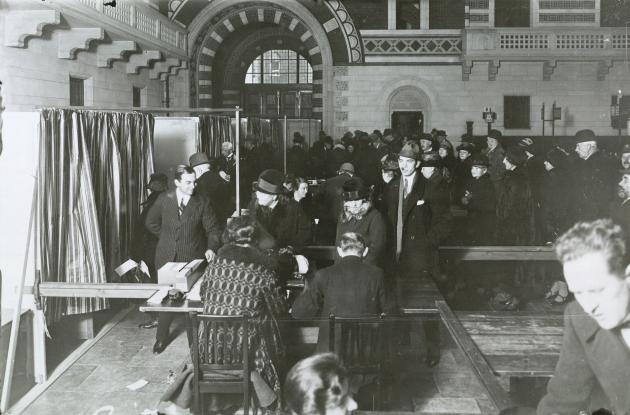
On 5 November 2024, Americans will go to the polls for the 60th time. We have taken a dive into the collections and looked at how the election has been covered in Denmark over time.
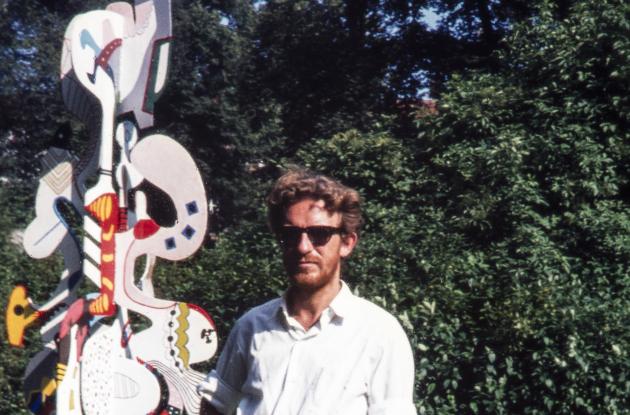
Bent Petersen's enormous interest in art resulted in a collection of approximately 63,000 slides. Dive into the portrayal of vernissages, happenings and exhibitions in the 70s and 80s.
Dive into the archive of the photography company Laurberg & Gad. The two companions ran a recognized portrait studio in Copenhagen. At the same time, they were pioneers and shot films and some of the…
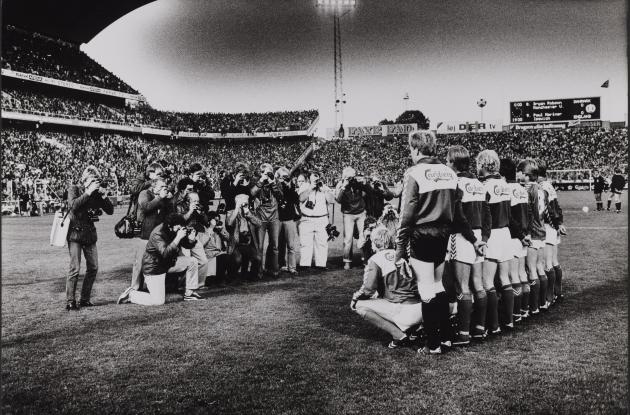
A historical look at the upcoming European Championship finals in soccer. Once Yugoslavia was one country, today it is seven. The Danish men's national team will meet two of them in the group stage.
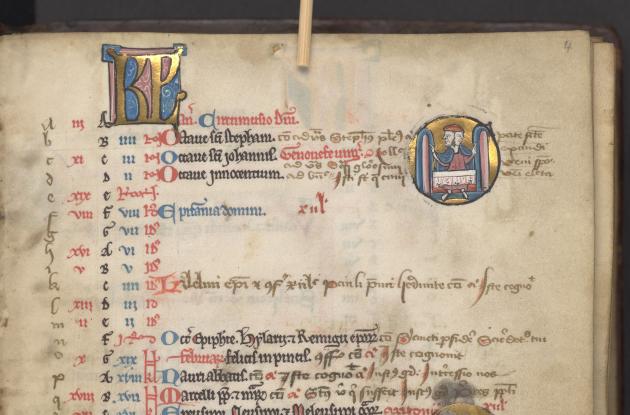
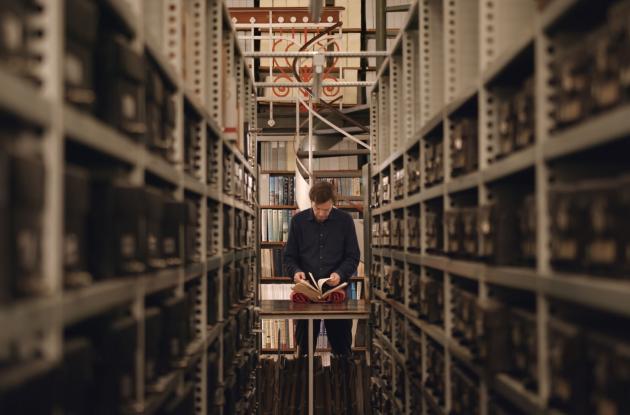
Get the historical details of five of the most important manuscripts in our collection and experience how centuries of interweaving Nordic history is reflected in the cultural heritage.
JP Jacobsen was torn between science and fiction, but throughout his career he managed to combine the two passions and became both a recognised scientist and author.
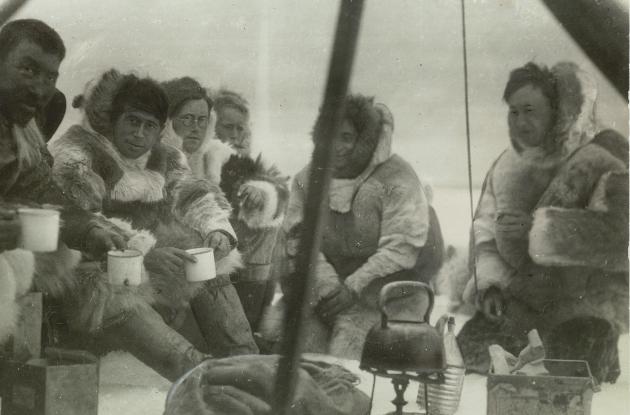
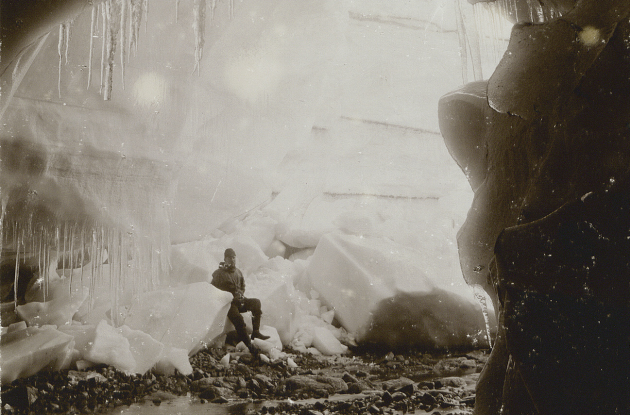
In 1923, Knud Rasmussen set off on the last big leg of the 5th Thule Expedition from Canada to Siberia. We have been in the collections to follow in Knud Rasmussen's sledge tracks.
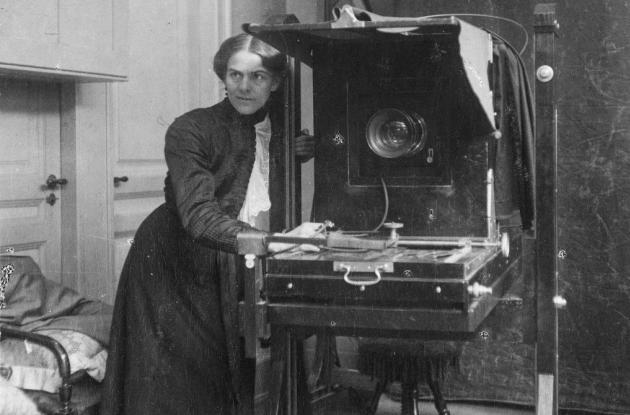
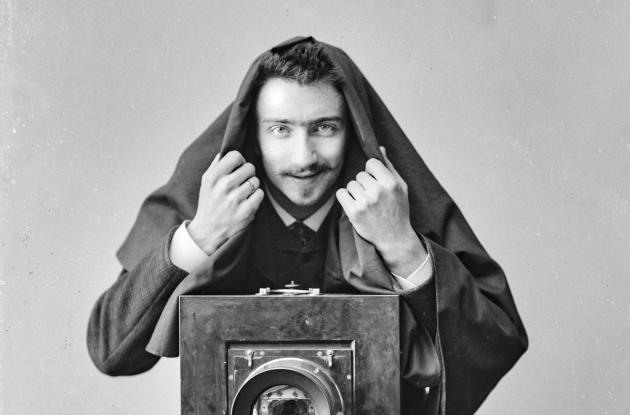
The camera has changed how we look not only at ourselves but also at others. Discover almost 200 years of photographic and cultural history through Royal Danish Library's pictures.
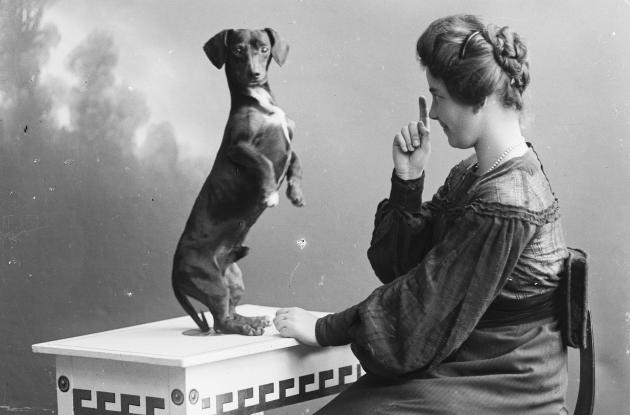
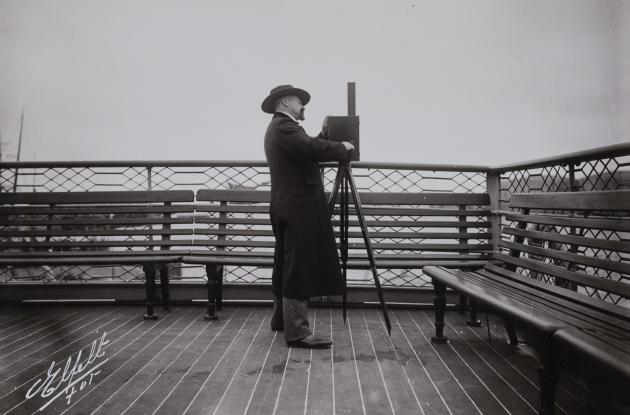
Delve into Royal Danish Library's digitised collection of Elfelt's thousands of photographs, ranging from the development of the welfare society in Denmark to man's best furry friend.
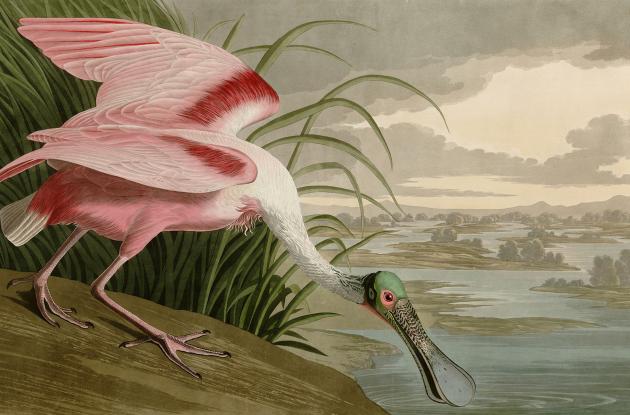
James Audubon's life's work Birds of America, with its 435 hand-painted pictures in the birds' natural size, is one of the great treasures of our collections.
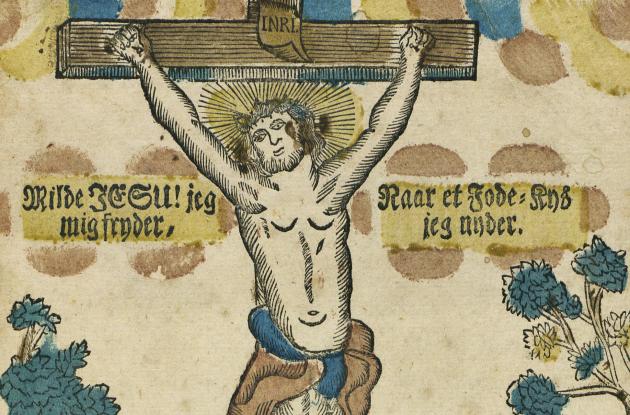
For most people, Easter means, first and foremost, a series of bank holidays. Many of the traditions associated with Easter have changed over time. Dive into the symbols and customs of Easter.
Valentine's Day is a very new tradition in Denmark. But we have lots of older, romantic traditions in Denmark, such as love letters and binding letters. We take a loving look at the celebration of love.
A football World Cup needs a good rallying cry. In a production folder donated to Royal Danish Library hides the story of how a genuine World Cup hit came to be.
Behind an office door at the library, its employees are teaching computers to read Danish handwriting, which is why you can now search through 17,000 calling cards.
The 1926 election was the first election to be broadcast by radio. We delve into the election campaign of the time and the first live broadcast voter meeting.
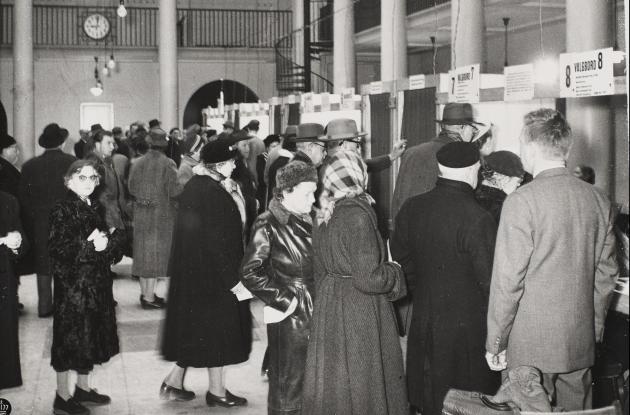
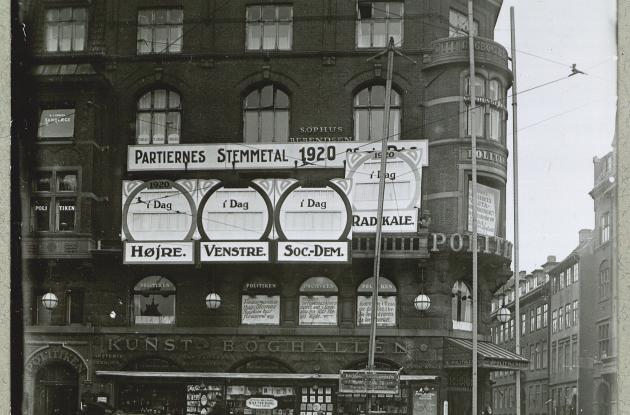
On 1 November 2022, we have to vote in the general election. We have done so many times before. Go back in time with the old digitised party programmes.
If you imagine the Arctic, you probably see snow, ice and frost. But the mythical region is melting. We focus on the high north in the company of writers, scientists and artists.
On the occasion of Danish drama becoming available to all Danish users, we have conducted a series of interviews with Danish dramatists and researchers providing inspiration and recommendations.
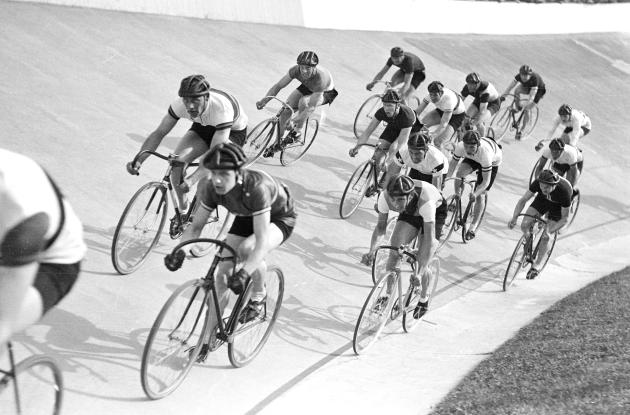
From the winter track to the first Danish tour hero. We follow in the wheels of Hans Edmund Andresen. The first Danish cyclist to complete the Tour de France.
Get behind the digitisation of royal court photographer Peter Elfelt's photographs and learn more about our work processes when almost 100-year-old images go digital.
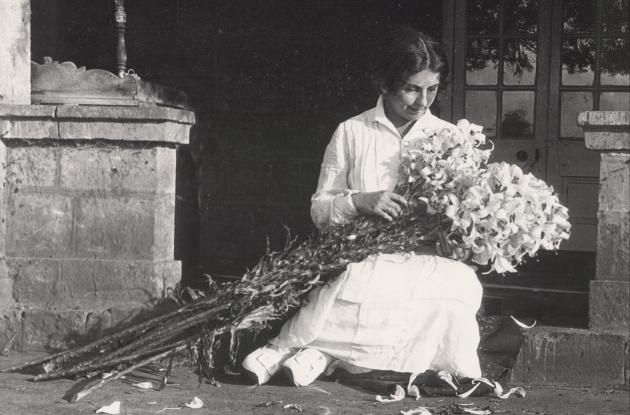
Karen Blixen is one of the most important Danish authors of the 20th century. We take a little look behind the façade of both the private person and the artist.
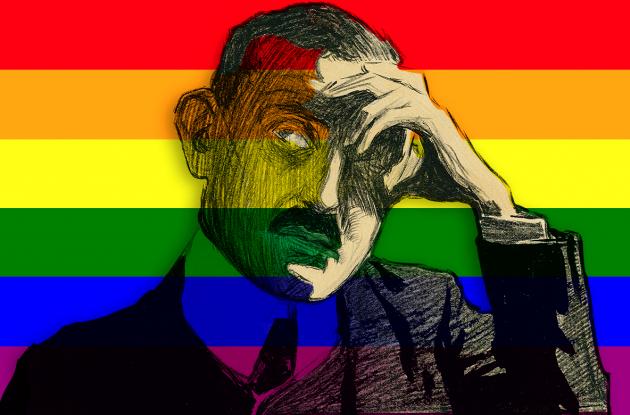
The Danish cultural heritage contains many imprints left by LGBTI+ individuals. Here, we delve into the archives and explore the stories that have contributed to shaping the Danish LGBTI+ history.
May 2021 marks a year since the murder of the 46-year-old black American George Floyd. On that occasion, we have taken a look at our collections to examine the roots of racism.
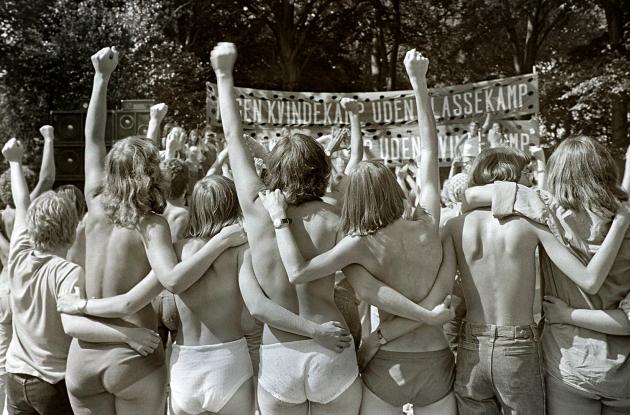
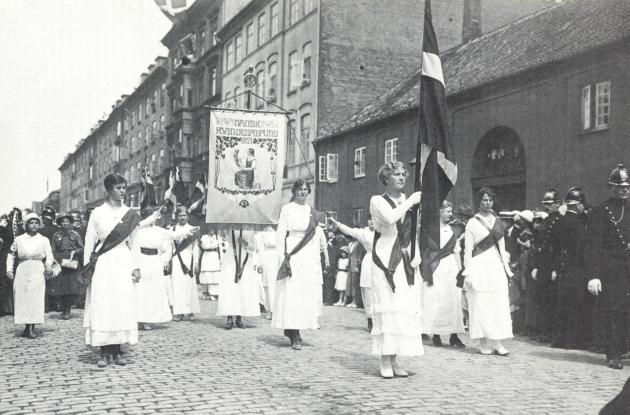
In 1970, something new happened in Denmark. A group of women associated with the youth uprising had had enough of doing other people's laundry and meeting society's gender-based expectations.
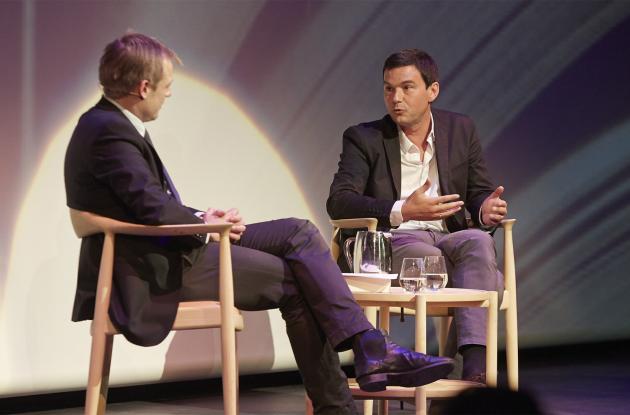
With the monumental work Capital and Ideology, comparable to the masterpieces of Adam Smith and Karl Marx, the French star economist Thomas Piketty pays homage to human imagination and freedom.
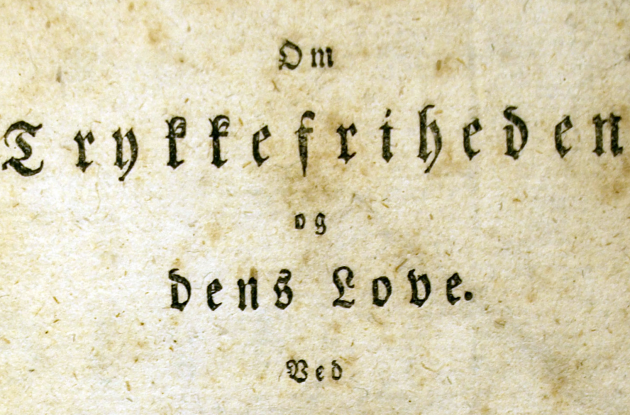
Come! Let us lead you into 18th century Facebook, where feuds, scams and deportations are the order of the day. We have digitised the texts published when the censorship laws were abolished.
Join us behind the scenes of the "Stranger Than Kindness: The Nick Cave Exhibition", meet the exhibition architect Christina Bach, and read about her collaboration with the world-famous musician.
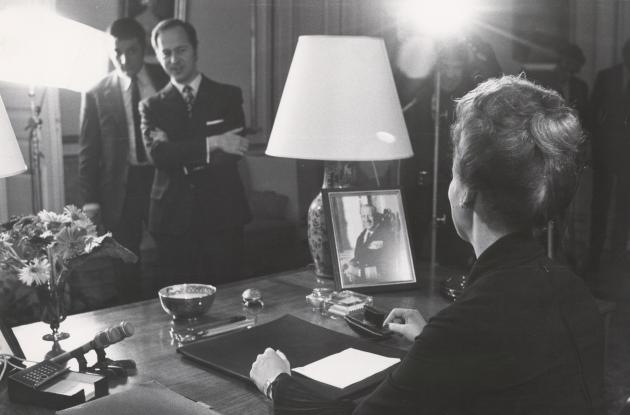
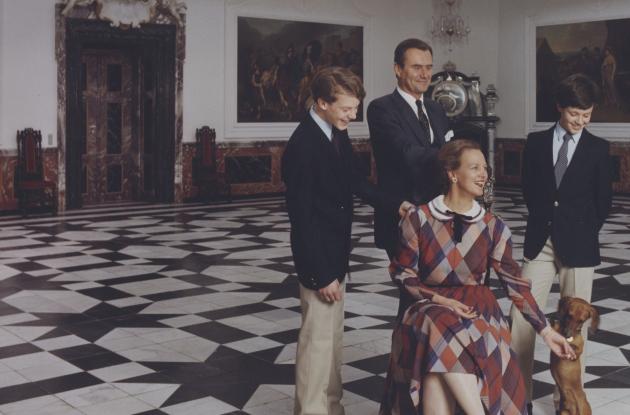
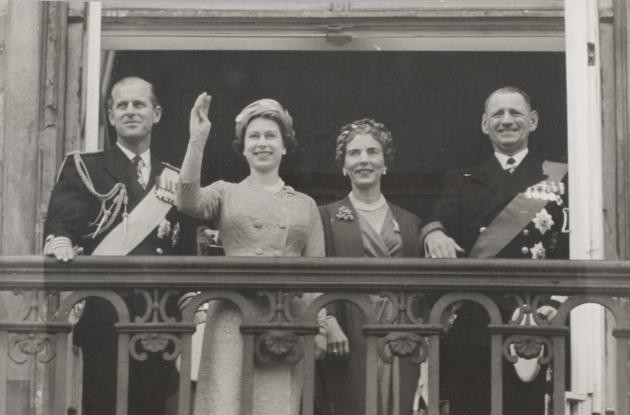
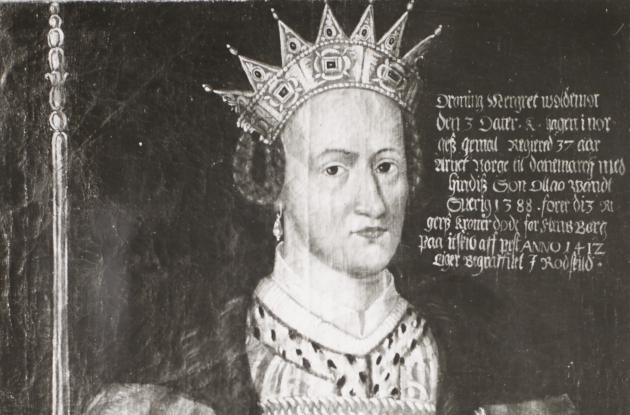
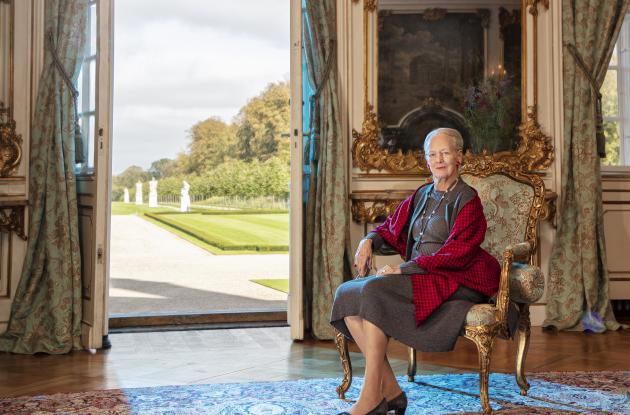
After 52 years on the Danish throne, her majesty, Margrethe II, will step down as Denmark's regent on 14 January 2024. We celebrate the Queen's long life and career with a look at our collections.
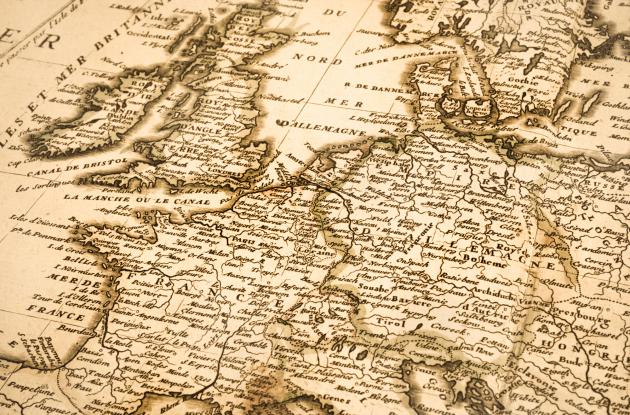
Our collection of maps is one of Northern Europe's largest. The oldest maps in the collection date from the 16th century, and the newest may have just come from the printing house.
The national newspaper collection consists of daily newspapers and local newspapers that have been published in Denmark or have direct relations to Denmark.