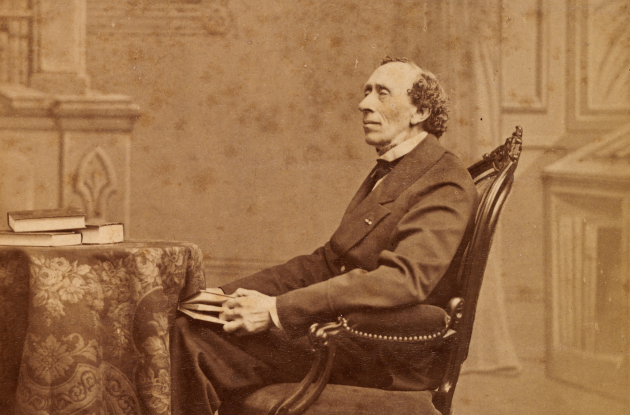
The world's written cultural heritage
In 1997, Hans Christian Andersen's letters and manuscripts in Royal Danish Library's collections were included in UNESCO's Memory of the World register of the world's documentary cultural heritage.
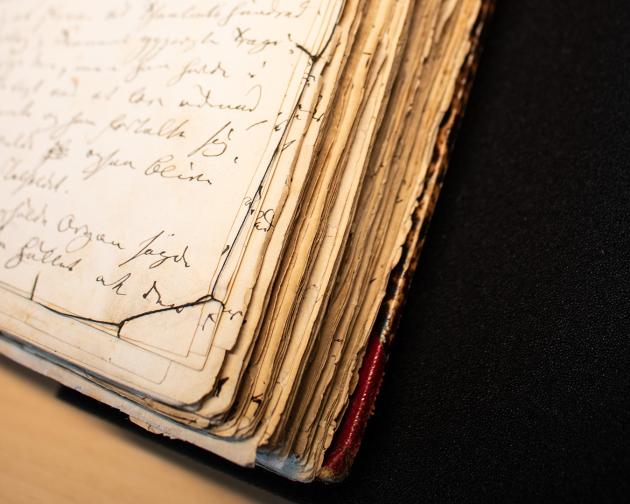
Photo: Det Kgl. Bibliotek
Memory of the World
UNESCO, the United Nations’ organisation for education, science and culture, was founded in 1945 to promote the protection of the world’s cultural and natural heritage through conventions and international programmes.
In 1992, UNESCO established the Memory of the World programme to make visible and protect manuscripts, archives, books and audiovisual collections that an advisory committee considers to be irreplaceable and have an exceptional significance for the world's common history and memory.
Hans Christian Andersen – the world's documentary cultural heritage
Denmark submitted proposals for the inclusion of 13 documents, manuscript and book collections and archives from national cultural heritage institutions in the first nomination in 1995. Four Danish collections were included in the register, including Royal Danish Library's collections of Hans Christian Andersen's original manuscripts and letters.
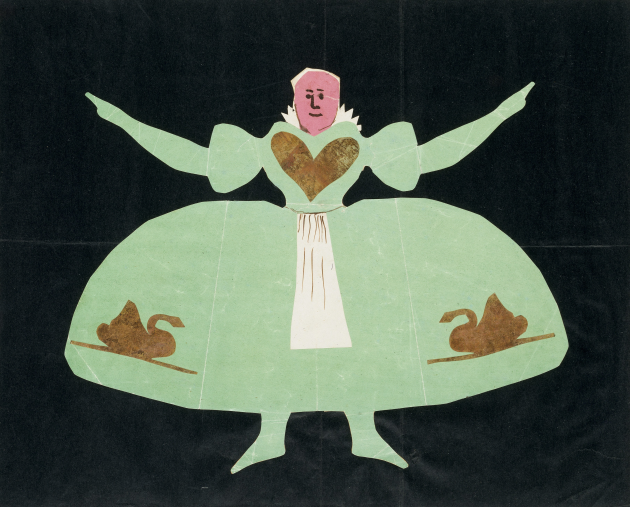
Illustration: H. C. Andersen
Hans Christian Andersen’s letters and manuscripts were included in the Memory of the World Register in 1997. The inclusion only covered the Hans Christian Andersen manuscripts and letters that were part of the library’s collections in 1997. This included the Collin, Ny Kongelig Samling, Holger Laage-Petersen and Arne Portman Collections.
Hans Christian Andersen’s manuscripts and letters were included because they offer unique insight into the working process, life and times of one of the world’s best-known authors. The collection documents both the creation of his works and the people, relationships and environments that surrounded him.
The materials show more than just the finished works - they also reveal the creative process, from the first ideas and drafts to corrections and proofreading. Letters, diaries and personal notes also show the cultural and social life of the 19th century and about Hans Christian Andersen's national and international networks.
The inclusion on UNESCO's Memory of the World Register emphasises the importance of the collection as a unique source for understanding Hans Christian Andersen's writings and that time.
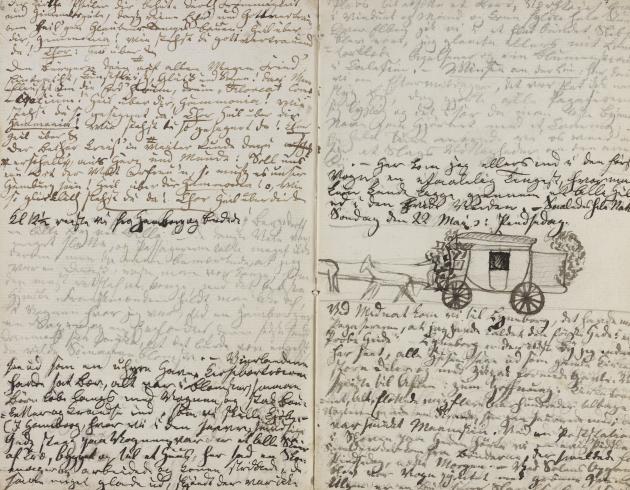
Illustration: H. C. Andersen (1805-1875)
Even more Danish treasures
Hans Christian Andersen's manuscripts are not the only treasures from Royal Danish Library's collections that are included in Memory of the World. These are also:
- Guaman Poma’s Chronicle (El primer nueva corónica y buen gobierno, or The First New Chronicle and Good Government in English)
- The Hamburg Bible (also known as The Bertoldus Bible)
- The Linnaeus Collection (formerly the Danish Library of Natural and Medical Sciences)
- Søren Kierkegaard's archives
- Tönnies Fonnes’ dictionary for use in the Hanseatic cities
Explore more
In 2025-2027 we will digitise all of HC Andersen's manuscripts and letters. You can explore Royal Danish Library's digital collections online and see, how we have come.