Living culture – the winners of the 2025 public consultation are now on the Danish register of intangible cultural heritage
The Danish Ministry of Culture conducted a public consultation in April 2025 to identify intangible cultural heritage in Denmark. The winners have now been entered into our register of living culture.
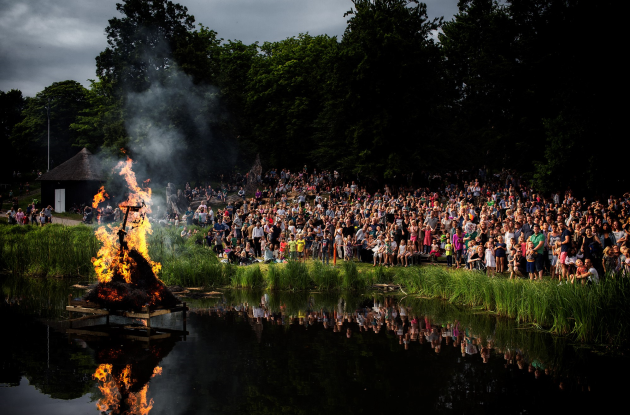
Photo: Brian Berg
Published 25 November 2025 | Revision 02 December 2025
In April 2025, the Danish Ministry of Culture launched a public consultation to provide insight into what is considered important intangible cultural heritage in Denmark. Almost 60,000 people cast their votes. The winners of the public consultation were:
The folk high schools, hot dog stands, being part of an association, handball and the trust society.
What is intangible cultural heritage?
UNESCO, the UN agency for science, education, culture and communication, defines intangible cultural heritage as: “ …the practices, ideas, expressions, knowledge, skills […] that communities, groups and, in some cases, individuals recognize as part of their cultural heritage. ”
Intangible cultural heritage in Denmark is not a single whole. It is the culture that we cannot physically grasp, but which we recognize and live out – traditions, beliefs, crafts, knowledge and ways of being together. In other words, culture is alive – hence the name of the Danish directory – levendekultur.kb.dk (trans. living culture). Royal Danish Library is the cultural institution responsible for collecting intangible cultural heritage in Denmark.
Just as there is a convention for the protection of the physical or tangible world heritage, UNESCO has drawn up a convention for the safeguarding of the intangible cultural heritage, which you can read more about here.
We have asked representatives of the five winners to describe their living culture. These descriptions have now been added to the Danish UNESCO list, along with the many previous contributions.
The inventory is part of UNESCO's 2003 Convention for the Safeguarding of the Intangible Cultural Heritage. In 2010, Denmark joined the convention and thus the international work to spread awareness of and the importance of intangible cultural heritage for people and society. This is done, among other things, by collecting, documenting and disseminating examples of living culture.
Here's a taste of what the five winning entries are about:
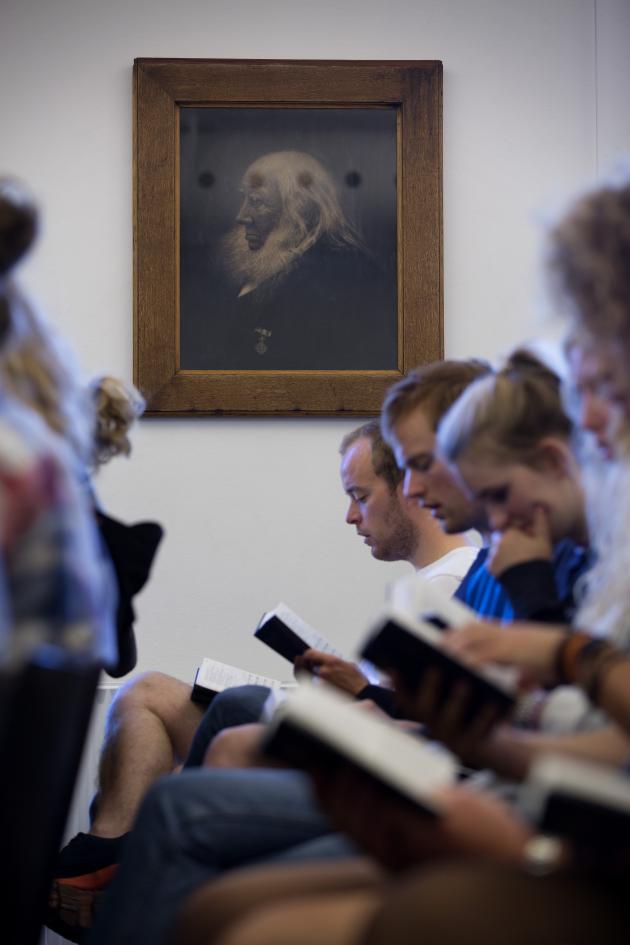
Photo: Klaus Holsting
The folk high school
The Danish folk high school is a special type of school without exams and grades, where teaching and socializing are intertwined in a homely boarding school environment. Here people meet to learn more about life, the world and themselves - driven by interest, curiosity and desire. Inspired by NFS Grundtvig's Enlightenment ideas, the first folk high school opened in 1844, and the school type has since had a remarkable impact in Denmark, the Nordic countries and the world.
Read more about the folk high schools.
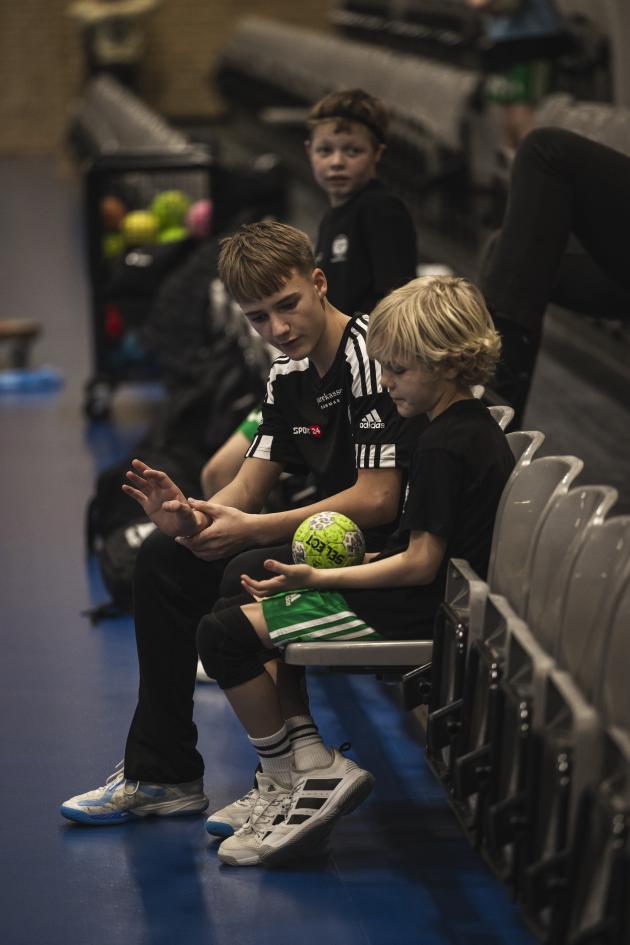
Photo: Casper Horsnæs Larsen
Handball – community, volunteering, and together for the team
Handball is a team sport that encompasses both elite and association handball. But handball is more than a sport, it is a living culture in motion. It is commonly referred to as something you "go to", "follow" or "be a part of". It brings together and develops people across generations, regions, and life situations, and it is played in sport halls, at championships, on grass and in sand, with the joy of the game as a common driving force.
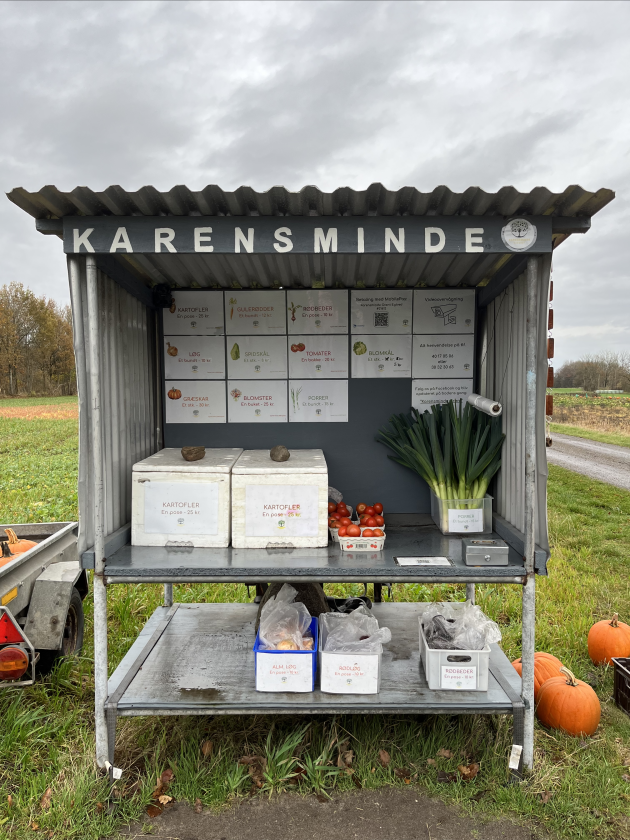
Photo: Gert Tinggaard Svendsen
The trust community
In a society of trust, people trust that others are trustworthy and cooperative. Denmark is one of the countries in the world where trust in society and in the state is most widespread. Although trust is also regularly challenged, trust can be understood as Denmark's invisible raw material, which provides social cohesion and at the same time increases competitiveness.
Read more about the trust community.
Association life
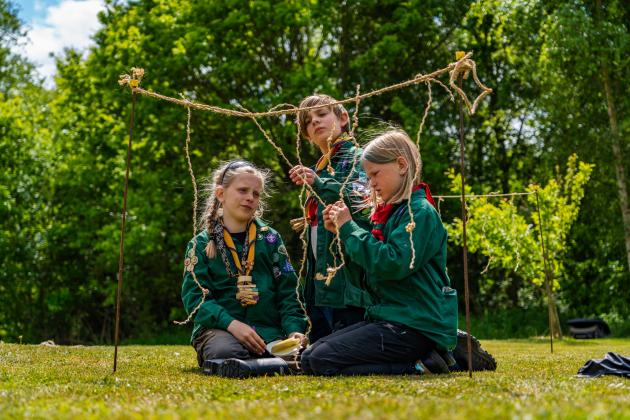
Photo: Ole Thye Gram
With approximately 80,000 associations, Denmark is among the countries in the world where association life is best anchored in daily life. The classic association is built around a community of interests. Whether it is handball, role-playing games, politics or old coins, there is an association for it. The story of 'Association Denmark' also goes like this: "When two Danes meet, they shake hands. When three Danes meet, they form an association.
Hot dog stands – community, folk culture and craftsmanship
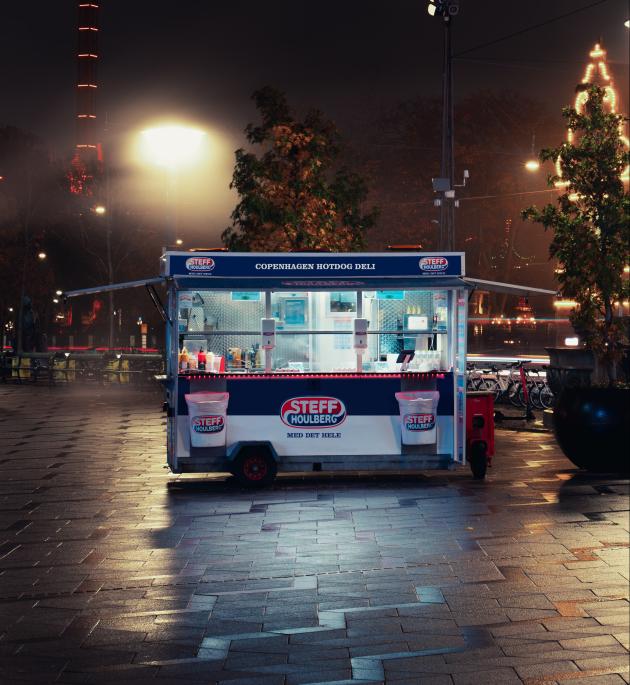
Photo: Danish Crown
The hot dog stand is a piece of living Danish cultural heritage. It is both food culture and a meeting place – a democratic space where everyone can meet at eye level. With more than 100 years of history, the hot dog stand is a popular symbol of Danish community, humor, and everyday quality – from Strøget to Tokyo.
The background
At the public consultation, everyone in Denmark had the opportunity to vote on 20 selected examples of intangible cultural heritage in Denmark. The 20 examples were selected from the 10,000 proposals submitted to the Danish Ministry of Culture earlier in 2025.
The Danish Minister of Culture Jakob Engel-Schmidt, Ghita Nørby, and Søren Ryge formed the committee who selected the proposals with professional assistance from Royal Danish Library's Deputy Director Søren Bitsch Christensen.
In agreement with the Danish Ministry of Culture, the five winning entries have now been added to the Danish UNESCO list, which is structured as a wiki, where examples of living culture are described by the people who practice the culture in question.
Here you will also find the 43 descriptions of examples of living culture in Denmark that were submitted between 2017 and 2018, when it was last possible to submit contributions. Together with the new contributions, they serve as snapshots of our intangible cultural heritage.
The next steps
The Danish Minister of Culture Jakob Engel-Schmidt has decided that it is now possible for contributors to the Danish inventory of intangible cultural heritage to propose nominations to UNESCO's international lists of intangible cultural heritage. This is done by contributors submitting an expression of interest to Royal Danish Library in early 2026.
Royal Danish Library has therefore invited all contributors who appear on the list to an online information meeting, where we will provide information about nominations to UNESCO, requirements for the content of the expression of interest, and the further process.